Page under construction. We’re expanding this resource with additional countries, perspectives, and sources. Please check back for updates.
Zionism Around the World
Zionism began as a movement for Jewish national self-determination, but support for its goals has also developed among non-Jewish individuals and religious communities. These examples from the Middle East, other parts of Asia, North and Latin America, Africa, Europe, Australia, and the Pacific show different motivations: national renewal, biblical faith, education, and cultural exchange. Individual or organizational positions do not represent an entire country, religion, or ethnic group.
East Asia
China: A Historical Endorsement and Jewish Community Organizing
In a letter dated April 24, 1920, Sun Yat-sen, the first provisional president of the Republic of China, expressed support for the Zionist movement to Shanghai-based Jewish publisher N. E. B. Ezra. The document is evidence of Sun’s own position in its historical setting, rather than a statement about present-day Chinese policy. Source: National Library of Israel, including the original letter’s text.
Ezra founded the Shanghai Zionist Association and edited Israel’s Messenger. Jewish communities in China also raised money and invested in institutions supporting the Jewish national home in Palestine. This organizing included Jewish residents of Iraqi and European backgrounds; it should not be described as a mass movement among ethnic Chinese people. Source: The Times of Israel; research by Yossi Katz, Bar-Ilan University.
Japan: Makuya and Religious Support for Israel
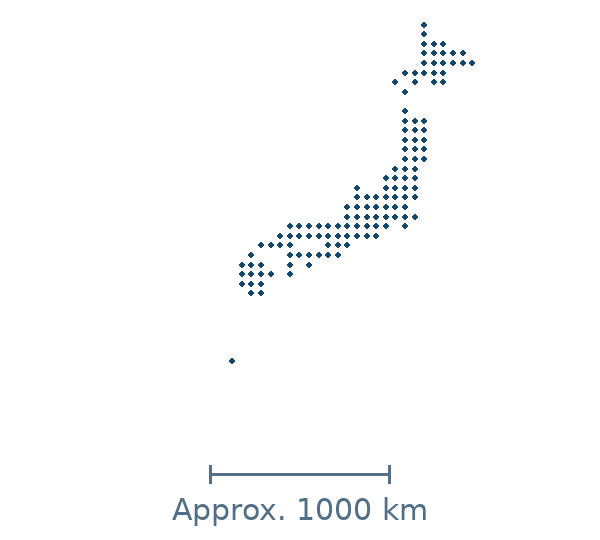
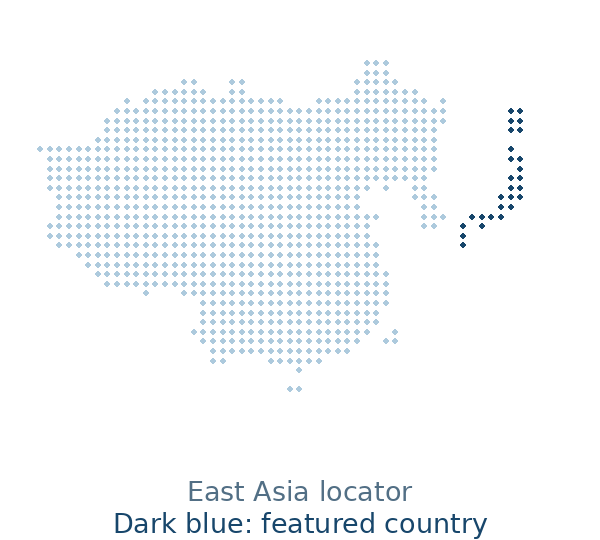
Founded by Ikuro Teshima in 1948, Makuya is a Japanese Christian movement whose relationship with Israel is central to its religious life. Teshima visited Israel in 1961 and began sending students there the following year. Pilgrimages, Hebrew study, and personal connections with Israelis became lasting parts of that relationship. Source: Makuya’s founder biography; Makuya’s account of Teshima and Israel.
Makuya’s support also took public form: Teshima organized relief efforts around the 1967 war and led a Tokyo demonstration supporting Israel in 1973. These are examples of a particular religious community’s advocacy, not the views of all Japanese Christians or Japanese society. Source: Makuya’s institutional history.
South Korea: Christian Zionism and Holocaust Education
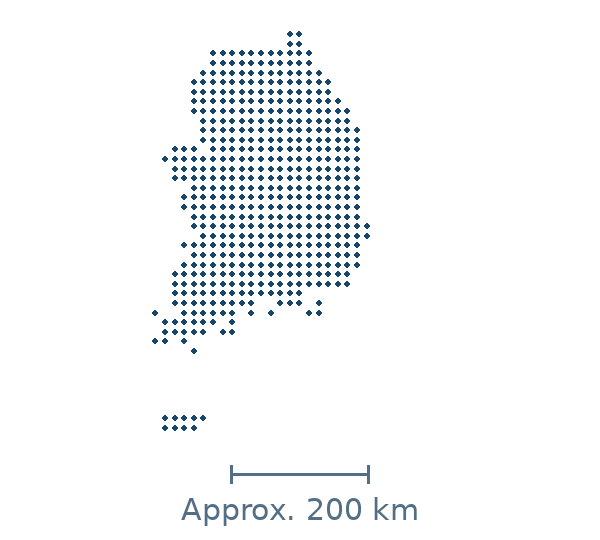
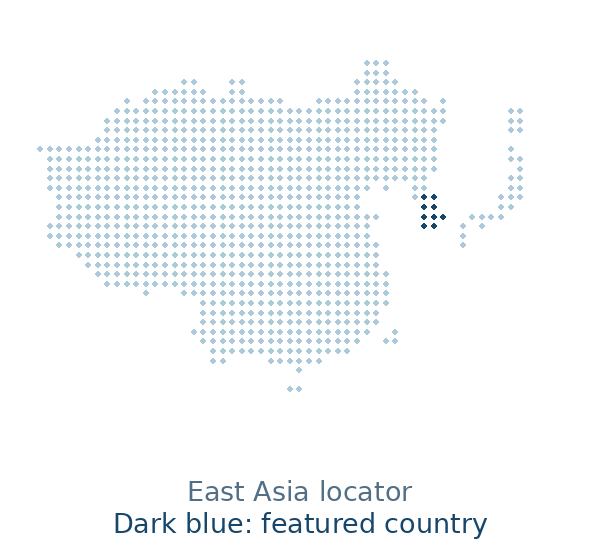
Some South Korean Christian organizations connect support for Israel with their interpretation of the Bible. The Korea Israel Bible Institute (KIBI), founded in 1994 and led by Mansuk Song, is one documented example. Its work includes support for Jewish immigration to Israel and religious education. Source: KIBI; KIBI leadership and mission.
In May 2025, KIBI opened Holocaust Museum Korea in Paju. Reporting on the opening describes an effort to teach Jewish history and respond to antisemitism, with exhibits addressing the Holocaust, Israel, and Jewish contributions to Korean history. Source: JTA, republished by The Forward; museum website.
Scholars also examine the political dimensions of Korean Christian Zionism. In a 2025 Denison University presentation, K. Christine Pae analyzed connections between particular evangelical networks, American missionary influence, Cold War politics, and religious ideas about Korean reunification. This is an attributed scholarly interpretation of specific movements, not a description of every Korean Christian. Source: Denison University’s presentation summary.
Southeast Asia
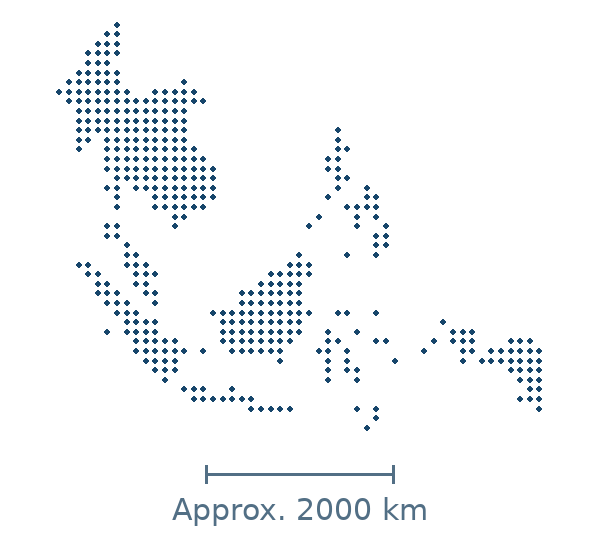
Vietnam: Historical Contact and Pragmatic Cooperation
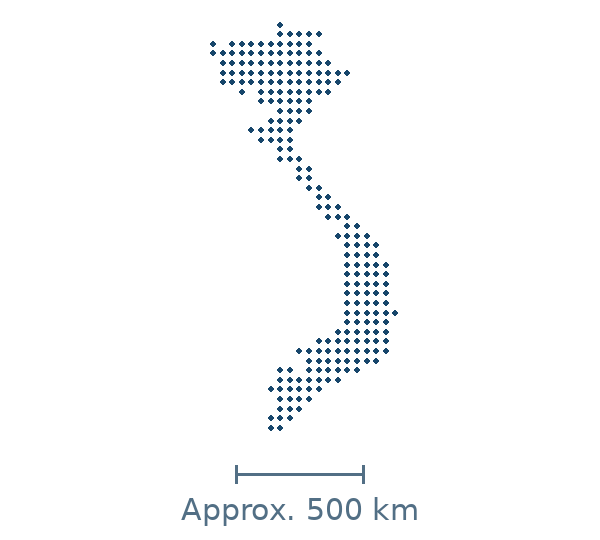
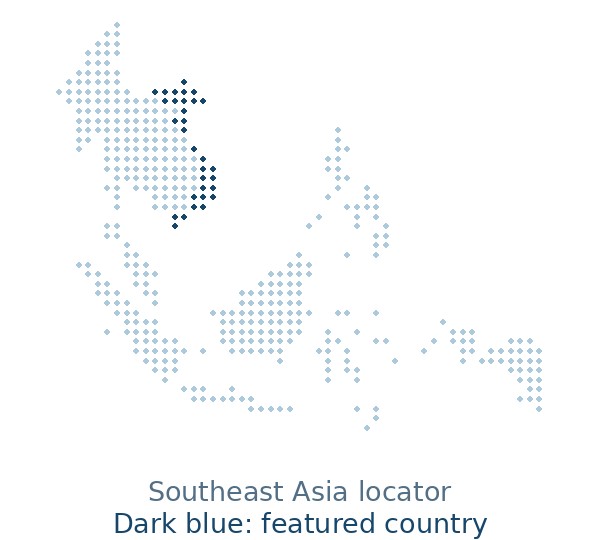
According to a recollection by David Ben-Gurion reported by JTA in 1966, Ho Chi Minh proposed in 1946 that a Jewish government in exile could be based in Vietnam. Ben-Gurion did not take up the suggestion, remaining committed to establishing a Jewish government in Palestine. This reported encounter is a historical connection between two independence leaders, not sufficient evidence to classify Ho Chi Minh as a Zionist. Source: JTA archival report; JTA’s later account.
Vietnam and Israel established diplomatic relations on July 12, 1993. A bilateral free-trade agreement signed on July 25, 2023 illustrates the later development of economic cooperation. These ties are better understood as state-to-state relations than as evidence of a Vietnamese Zionist movement. Source: Israeli embassy in Vietnam; Vietnamese Ministry of Industry and Trade.
Cooperation with Israel exists alongside Vietnam’s support for Palestinian self-determination and a negotiated two-state settlement. Its foreign ministry has affirmed the aim of an independent Palestinian state living peacefully alongside Israel. Source: Vietnamese Ministry of Foreign Affairs.
Southeast Asia: Jewish Communities, Religious Advocacy & State Relations
Southeast Asia has several different connections to Zionism and Israel. Historical Jewish communities developed their own Zionist associations, some Christian organizations support Israel for religious reasons, and governments pursue diplomatic or security cooperation. These histories overlap, but they should not be collapsed into a single regional ideology.
Singapore: Security Cooperation and an Independent Foreign Policy
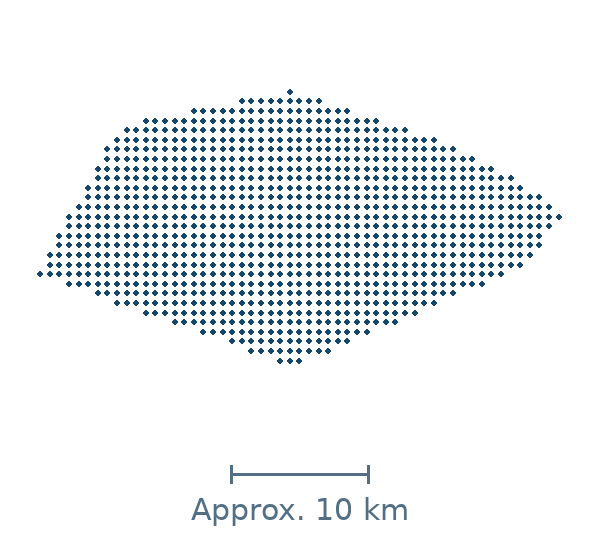
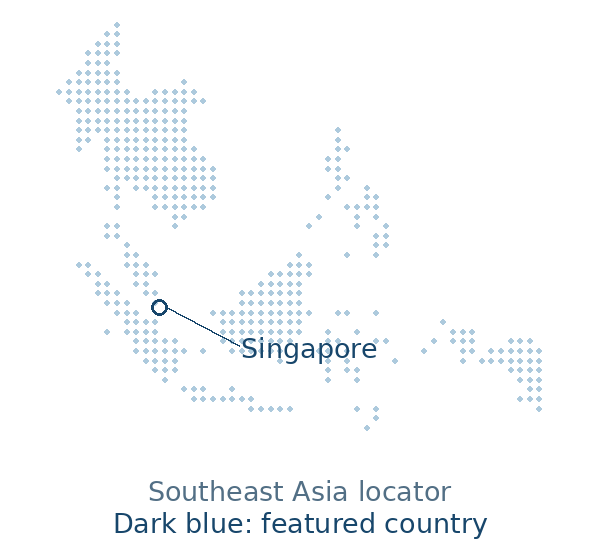
Israel assisted Singapore in developing its armed forces after independence in 1965, a relationship described by Singapore’s own leaders. This is a documented example of practical cooperation between states. It does not mean that Singapore’s population shares a single position on Zionism. Source: Singapore Prime Minister’s Office, 2016 speech.
Singapore’s official position also combines recognition of Israel’s right to defend itself within international law with support for Palestinian statehood through negotiations. In September 2025, its foreign ministry reiterated a two-state approach and criticized Israel’s conduct in Gaza. Close bilateral ties therefore should not be read as unconditional support for Israeli government policy. Source: Singapore Ministry of Foreign Affairs.
The Philippines and Thailand: Diplomacy and Personal Connections
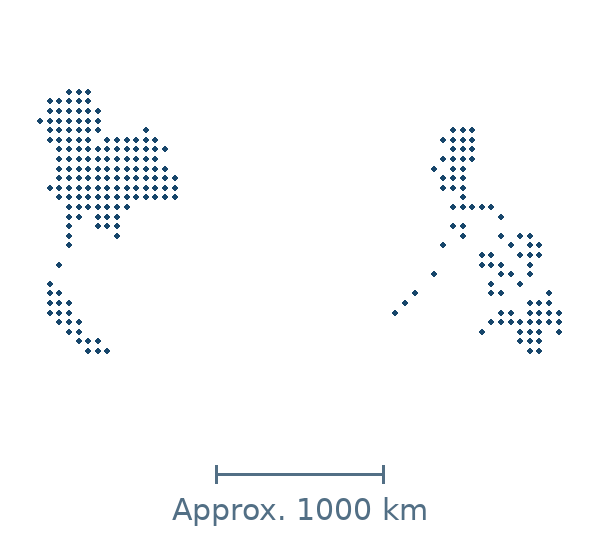
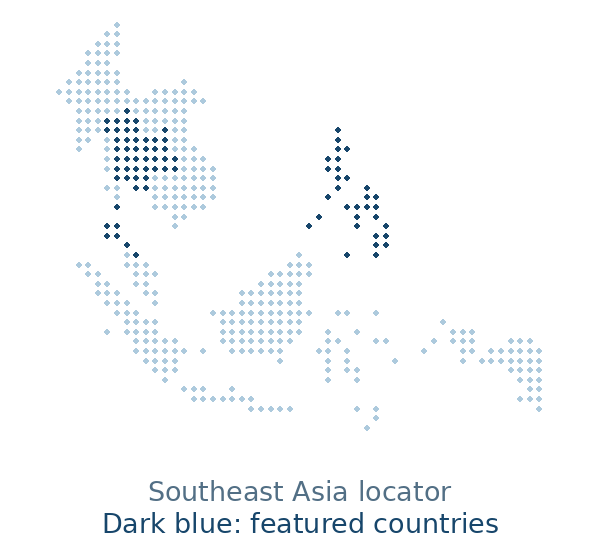
The Philippines voted for the United Nations partition plan in 1947 and established diplomatic relations with Israel in 1957. Thailand established relations in 1954; its agreements with Israel have included education, investment, agricultural employment, and defense cooperation. These are distinct diplomatic and social relationships, rather than evidence that either country as a whole identifies as Zionist. Source: Israeli embassy in the Philippines; Israeli embassy in Thailand.
Workers, students, and families help connect Southeast Asia with Israel. A person’s employment in Israel or participation in an exchange program, however, does not establish their political beliefs.
Jewish Community History
Research on Jewish communities in Singapore, Manila, Yangon, and Surabaya describes varied histories of trade, migration, refuge, and political organizing. Some communities included Baghdadi Jewish networks, and Zionist societies, publications, and youth organizations developed in different places and periods. Jewish identities and political views within these communities were diverse. Source: Marcella Simoni’s scholarly review of Jonathan Goldstein’s regional history.
Singapore’s Maghain Aboth Synagogue, consecrated in 1878, remains an important example of the region’s Jewish heritage. A synagogue’s presence documents Jewish communal life; it should not be used to assign one political position to all its members. Source: Singapore National Heritage Board.
Christian Zionist Networks
Christian support for Israel is visible in particular churches, prayer groups, and international ministries. The International Christian Embassy Jerusalem lists a Singapore branch and reports organizing activities with Filipino Christian leaders. In its own account of a 2026 conference in Batam, Indonesia, ICEJ describes participants from countries including Indonesia, Singapore, Malaysia, the Philippines, and Thailand. These are documented organizational activities, not a measure of national public opinion or of all Christians’ beliefs. Source: ICEJ Singapore; ICEJ Philippines activities; ICEJ’s 2026 regional conference report.
Malaysia, Indonesia, and Political Debate
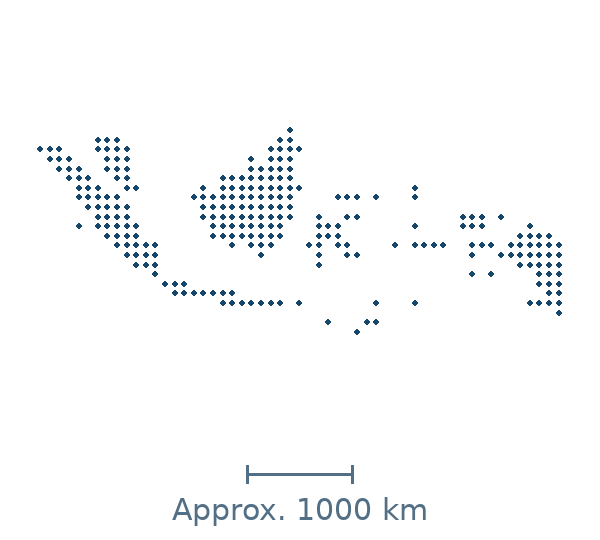
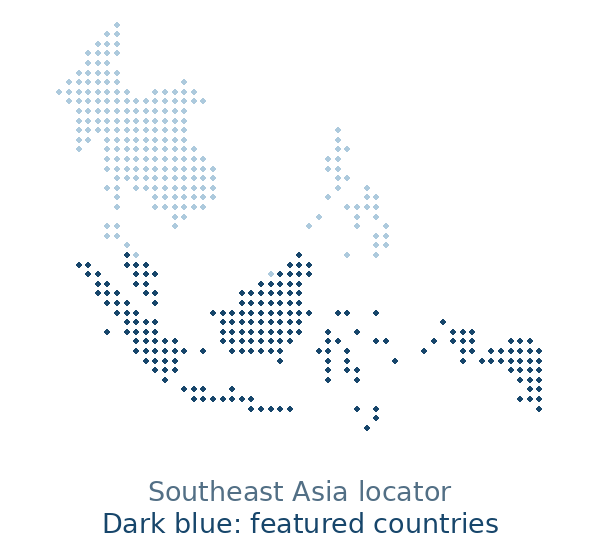
Malaysia and Indonesia have not established formal diplomatic relations with Israel and have strongly supported Palestinian statehood. Their positions on recognition and normalization differ from the policies of countries such as Singapore, Thailand, and the Philippines. Minority religious networks and individual advocates may nevertheless hold views different from their governments. Source: Malaysian Ministry of Foreign Affairs; Reuters reporting on Indonesia’s position.
Scholar Paul Hedges has examined how anti-Jewish ideas circulate in Southeast Asian political and religious settings, including places with very small Jewish populations. Careful discussion should distinguish criticism of Israeli policies from hostility toward Jews, while avoiding assumptions about entire national or religious communities. Source: Paul Hedges, Academia | SG.
For Vietnam’s historical encounter with Zionist leadership and later bilateral ties with Israel, see the Vietnam section above.
South Asia
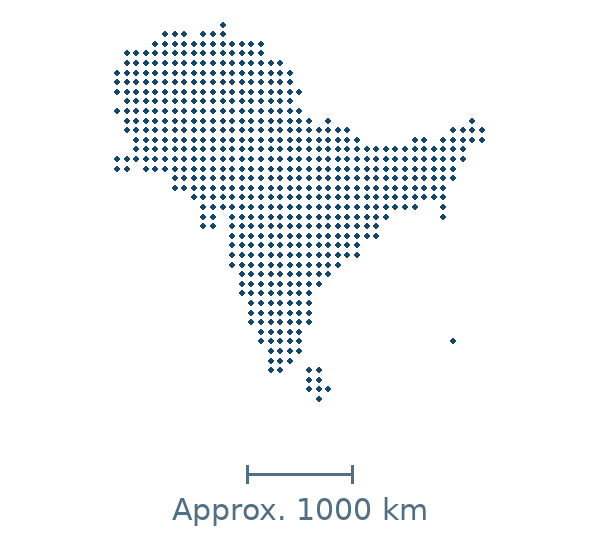
India and Pakistan have different relationships with Zionism and Israel. Jewish community organizing, government policy, and comparisons between nationalist ideas are separate subjects; none should be taken as a uniform view held by an entire population.
India: Jewish History, Diplomacy & Political Debate
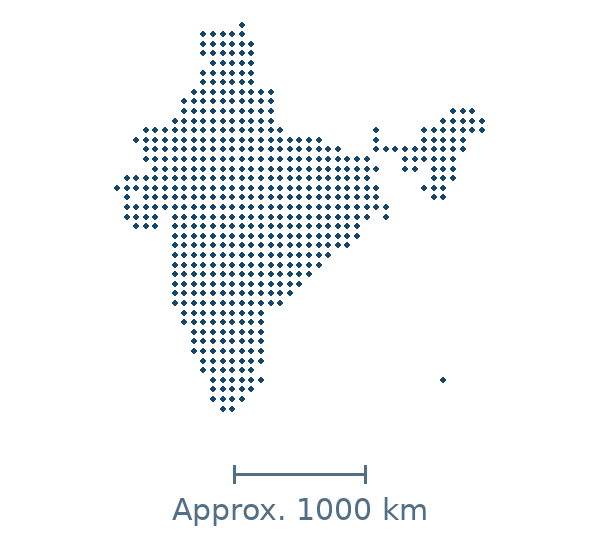
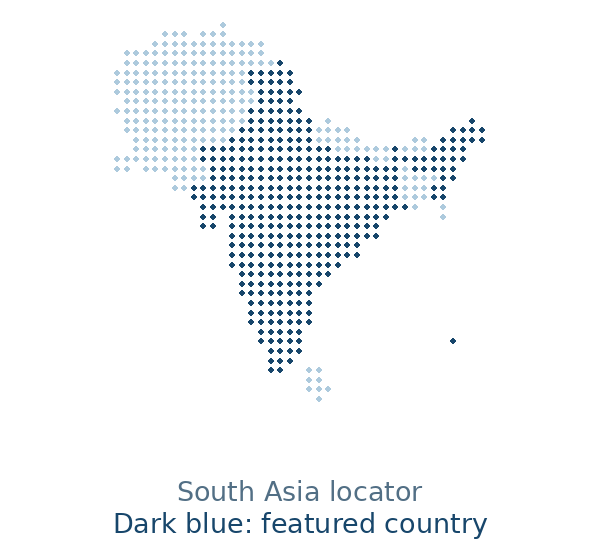
Zionist activity in India is part of the history of its Jewish communities. The National Library of Israel holds records of the Bombay Zionist Association, and its Rachel and David Ezra archive identifies Rachel Ezra as head of the Zionist Federation in India in 1949. These records make a blanket claim that India had no Zionist institutional history inaccurate. They do not establish the size of a contemporary movement among the wider population. Sources: Mumbai organizations archive; Rachel and David Ezra archive.
India and Israel established full diplomatic relations on January 29, 1992. Their relationship expanded across government, commerce, science, and culture, with Narendra Modi making the first visit to Israel by an Indian prime minister in 2017. These bilateral developments should be distinguished from personal identification with Zionism. Source: Israeli consulate in Mumbai.
Closer relations with Israel coexist with India’s stated support for a negotiated two-state settlement. Its foreign ministry reiterated support for that approach and for Palestinian membership of the United Nations at a July 2026 donor meeting. Source: Indian Ministry of External Affairs.
Some writers compare Hindu nationalism, or Hindutva, with particular forms of Zionist nationalism. Political scientist Achin Vanaik, writing for the Transnational Institute in 2025, argues that ideological affinities help explain the closer relationship under BJP-led governments. This is a critical interpretation, not a neutral definition of either movement. Hinduism is not interchangeable with Hindutva, and neither Indians nor Zionists hold a single set of political views. Source: Achin Vanaik, Transnational Institute.
Pakistan: Non-Recognition and Scholarly Comparisons
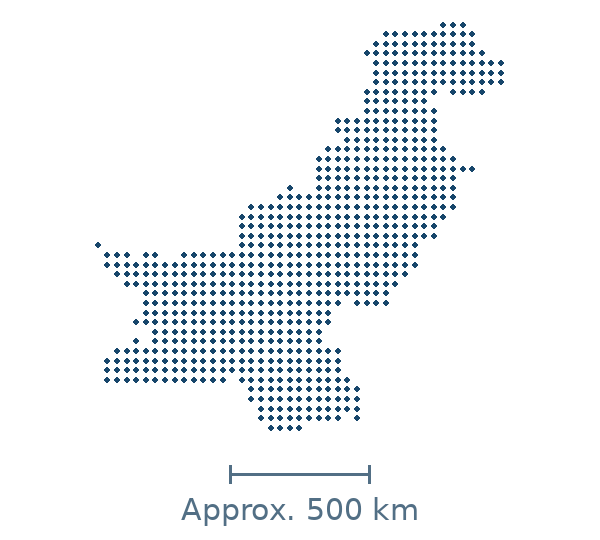
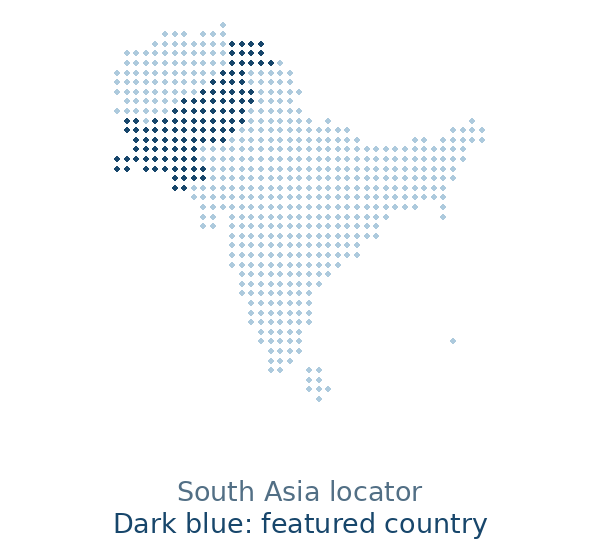
Pakistan does not recognize Israel. Its foreign ministry has reaffirmed that position alongside support for Palestinian rights. Official policy should be described on its own terms, rather than treated as proof that every Pakistani holds the same views or that no individual dissent exists. Source: Pakistan Ministry of Foreign Affairs.
In Muslim Zion: Pakistan as a Political Idea (2013), historian Faisal Devji compares aspects of Pakistan’s founding with the political logic of Zionism, examining migration, imagined national belonging, and the creation of a homeland. The comparison is an analytical argument about state formation; it does not mean Pakistan adopted Zionism or recognized Israel. Source: International Center for Law and Religion Studies, summary of Devji’s Harvard University Press book.
Nepal: Diplomacy and Services for Jewish Travelers
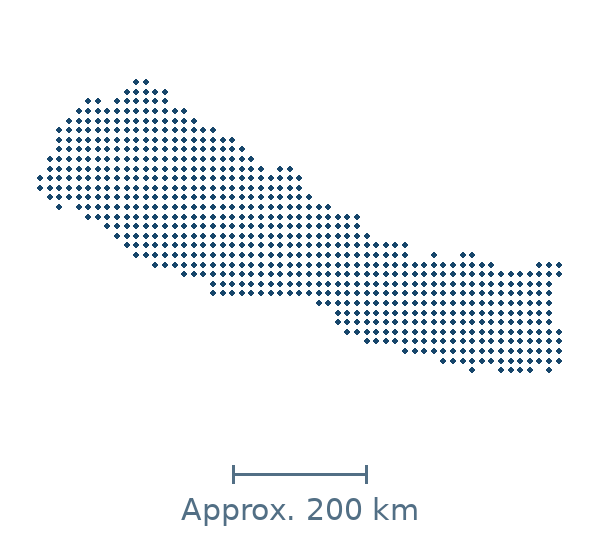
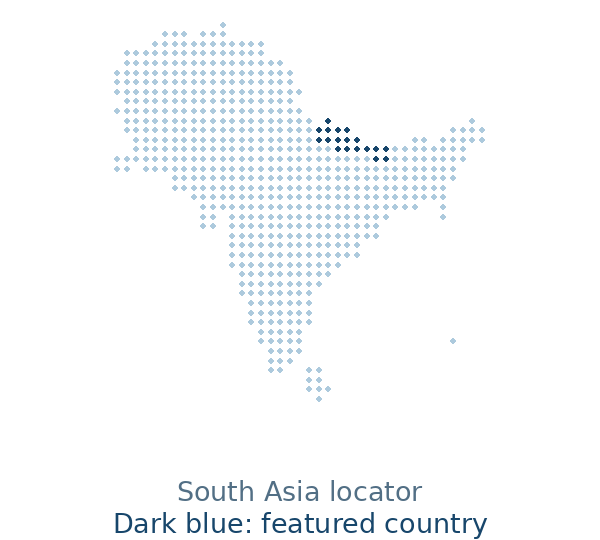
Nepal and Israel established diplomatic relations on June 1, 1960. Nepal’s foreign ministry describes a cooperative bilateral relationship that includes development and personal exchanges. Diplomatic recognition is distinct from an organized local Zionist movement. Source: Nepal Ministry of Foreign Affairs.
Kathmandu’s Chabad House provides Jewish religious services and a gathering place for travelers. Chabad’s reporting also documents its assistance to backpackers and relief personnel after Nepal’s 2015 earthquake. These activities are evidence of religious and community services, not evidence that Nepalese people collectively identify with Zionism. Source: Chabad’s account of its Kathmandu center.
Bangladesh: Jewish History and Non-Recognition
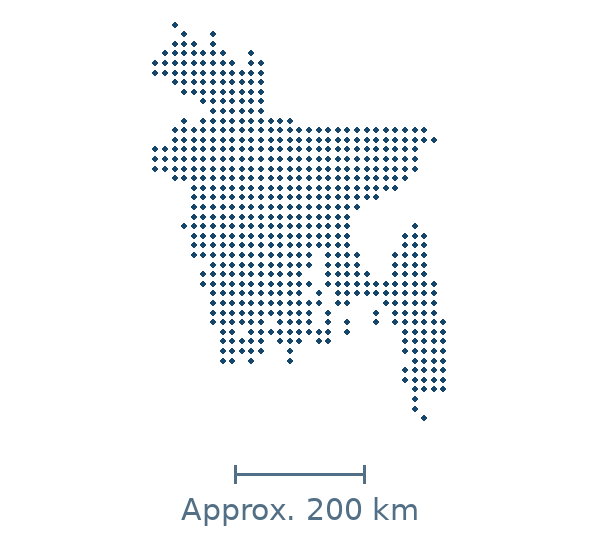
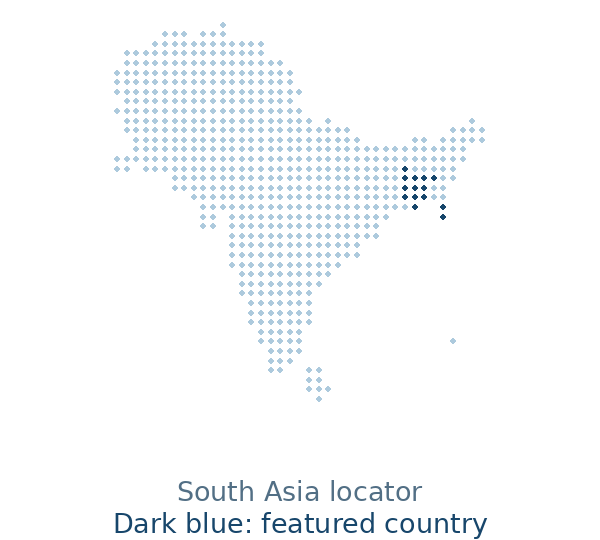
Jewish connections to present-day Bangladesh predate the state’s independence. Researcher Shalva Weil describes commercial and family links between Jewish residents of East Bengal and the larger community in Calcutta, including nineteenth-century trading activity in Dhaka. Her historical account emphasizes a small and incompletely documented population; it should not be used as a current census. Source: Shalva Weil, Asian Jewish Life, 2012.
Bangladesh does not recognize Israel or maintain diplomatic relations with it, and officially supports Palestinian statehood. A large pro-Palestinian rally in Dhaka in April 2025 illustrates visible public opposition to Israeli actions in Gaza. Neither official policy nor a demonstration establishes that every Bangladeshi shares the same views, or that no individual supporter of Zionism exists. Source: Associated Press; Anadolu reporting on Bangladesh’s policy.
Sri Lanka: Small Jewish Communities, Tourism & Bilateral Ties
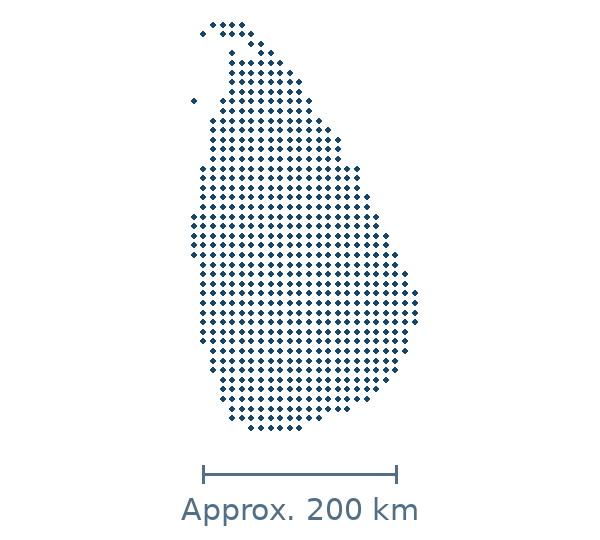
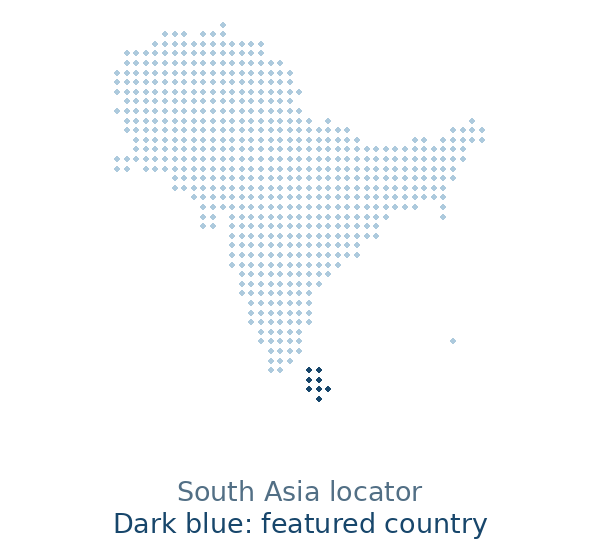
The Commonwealth Jewish Council describes Sri Lanka’s Jewish community as very small and identifies Colombo’s Chabad House as a center serving residents, expatriates, business visitors, and tourists. This is more precise than stating that no Jewish community exists. Jewish worship and services for Israeli visitors should not automatically be classified as political Zionist organizing. Source: Commonwealth Jewish Council.
Sri Lanka’s foreign ministry describes cooperation with Israel in trade, employment, tourism, and agriculture. These practical relationships can be examined alongside Jewish community history, but do not by themselves demonstrate an organized Sri Lankan Zionist movement or a shared political outlook among local residents. Source: Sri Lankan Ministry of Foreign Affairs, Economic Affairs Division.
Latin America
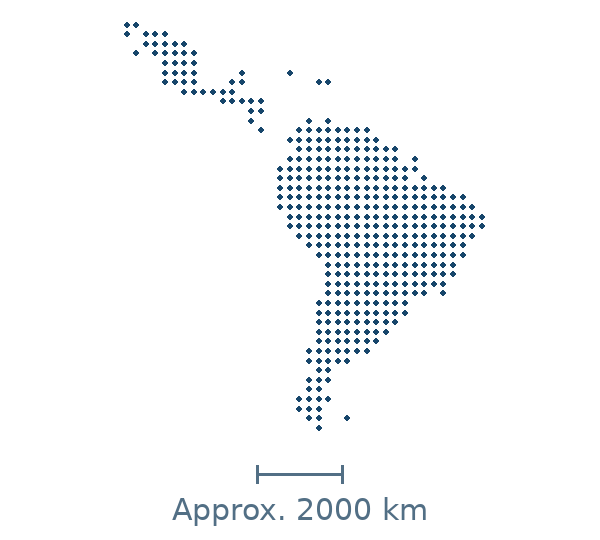
Latin America’s connections to Zionism include Jewish community institutions, youth movements, women’s organizations, and Christian advocacy. They also include diplomatic decisions about Jewish and Palestinian statehood. These are distinct histories, and neither Jewish identity nor a government’s relationship with Israel implies a single political position. The regional map also includes the Caribbean for geographic context.
Argentina: A Long History of Zionist Organizing
Historian Victor A. Mirelman documents Zionist societies in Argentina from the late nineteenth century, a Labor Zionist organization in Buenos Aires in 1906, and the creation of the Argentine Zionist Federation in 1913. His study also traces the later expansion of Sephardic participation, showing that involvement developed differently across Jewish communities. Source: Mirelman, American Jewish Archives, 1982.
Argentina, Brazil & Uruguay: Education and Youth Leadership
The Jewish Agency’s account of a visit to Argentina, Brazil, and Uruguay describes schools, educators, and community organizations engaged in Jewish and Zionist education. Its separate reporting from Argentina and Uruguay highlights youth movements as a setting for leadership development. These institutional accounts describe participating communities; they are not surveys of national opinion. Sources: Jewish Agency regional visit; Argentina and Uruguay mission report.
One international link is Machon L’Madrichim, founded in 1946. The program trains youth leaders from Latin America and other regions through study and experiences in Israel, with participants returning to work in their home communities. This illustrates how Zionist education can support Jewish life in the Diaspora as well as connections to Israel. Source: Jewish Agency program description.
Mexico: Women’s Zionist Organizations and Local Service
WIZO México identifies itself as an organization of Jewish Mexican Zionist women. Its activities include educational, health, and social assistance projects benefiting vulnerable people in Mexico. It offers a concrete example of Zionist identification alongside civic service in a Latin American country. Its members’ commitments should not be generalized to all Mexican Jews or the wider population. Source: WIZO México.
Brazil and Regional Christian Networks
Christian support for Israel also has an organized presence. The International Christian Embassy Jerusalem (ICEJ) reports outreach in Argentina, Bolivia, Brazil, Chile, Honduras, and Uruguay. In a separate account, it describes a pro-Israel gathering in Manaus organized by Brazilian Christian leader Renê Terra Nova. These are the organization’s own reports of its advocacy, rather than independent measures of how widely its views are held. Sources: ICEJ’s 2023 regional outreach report; Manaus rally account.
Diplomacy: The 1947 Partition Vote
Latin American governments played a significant role in the UN debate over Palestine. Brazil, Guatemala, Peru, Uruguay, and several other countries in the region voted for Resolution 181 in November 1947, which recommended partition into Jewish and Arab states. Argentina, Chile, and Mexico abstained, while Cuba voted against it. These differing votes show why regional diplomacy should be examined country by country rather than described as a uniform Latin American stance. A vote on partition is also distinct from an individual’s identification as a Zionist. Source: UN voting record for Resolution 181.
Africa
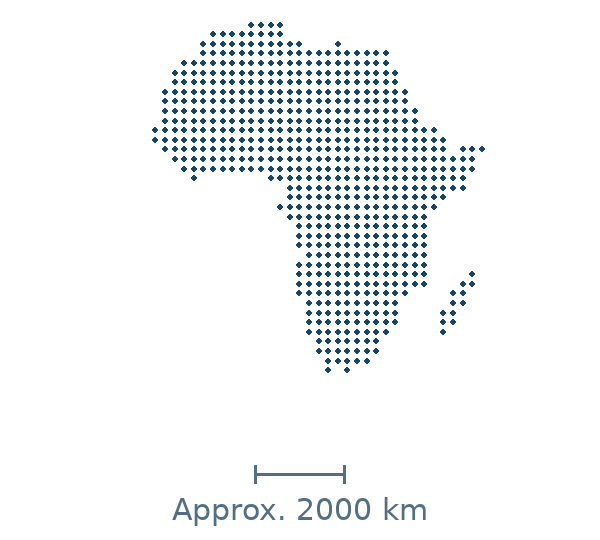
African connections to Zionism and Israel encompass established Jewish institutions, Ethiopian Jewish migration, Christian advocacy, and diplomacy. The examples below describe specific communities, organizations, and historical agreements. They do not establish a shared African position, and religious affiliation or diplomatic recognition alone does not make someone a Zionist.
South Africa: Zionist Institutions and Public Debate
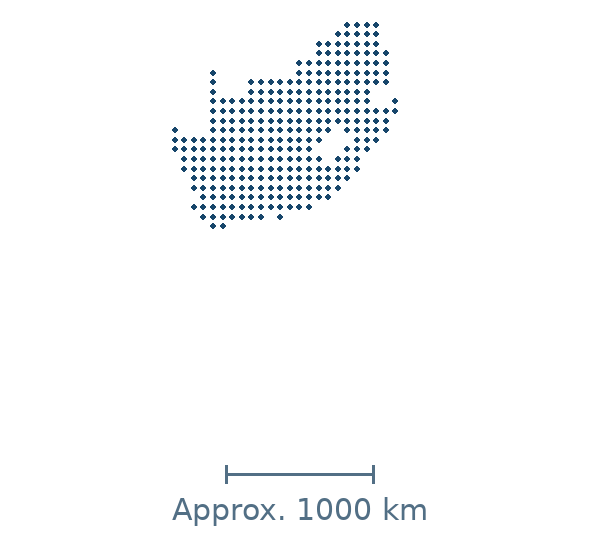
The South African Zionist Federation was founded in 1898. Its activities include advocacy, education, youth development, and building connections with Israel. Its youth council brings together organizations with different religious and cultural traditions, illustrating the range within organized Zionism. Sources: University of Cape Town archival description; SAZF’s account of its activities.
These organizations should be distinguished from government policy and from other Jewish perspectives. South Africa instituted proceedings against Israel at the International Court of Justice in December 2023, alleging violations of the Genocide Convention in Gaza. Separately, South African Jews for a Free Palestine explicitly opposes Zionism. These differing positions show why neither the state nor any one association speaks for every South African Jew. Sources: ICJ case records; South African Jews for a Free Palestine’s statement.
Ethiopia: Jewish Migration and Family Reunification
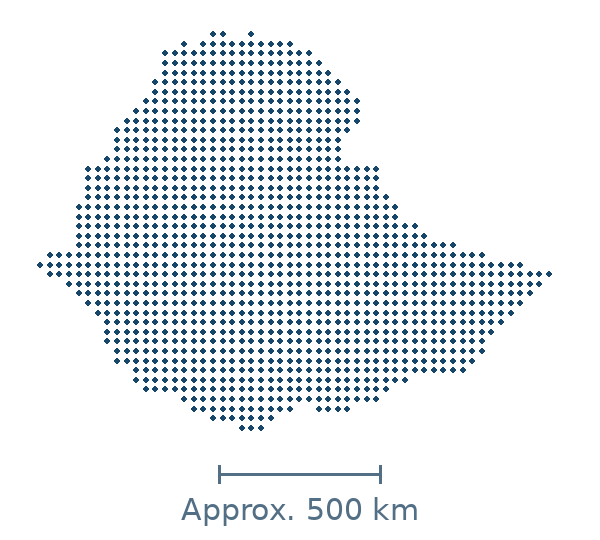
Ethiopian Jewish migration to Israel is a central African chapter in the history of aliyah. The Jewish Agency describes rescue efforts including Operation Moses in the 1980s and Operation Solomon in 1991, followed by later immigration and family reunification initiatives. The history includes religious attachments, persecution, journeys through Sudan, and the practical challenges of settling in Israel. It should not be reduced to a single political motivation or treated as the outlook of Ethiopia’s wider population. Source: Jewish Agency historical overview.
Kenya: Christian Pro-Israel Networks
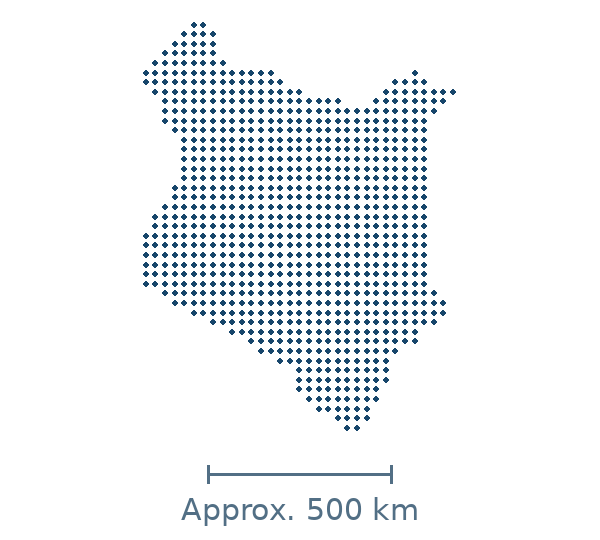
The International Christian Embassy Jerusalem (ICEJ) lists Kenya in its international branch network. The organization describes its wider work as strengthening Christian support for Israel through education, advocacy, and relationships with Jewish communities. This documents an organized religious connection in Kenya, while the directory alone does not establish membership numbers or the views of Kenyan Christians as a whole. Source: ICEJ’s branch directory and description of its mission.
Nigeria: Christian Advocacy and Pilgrimage
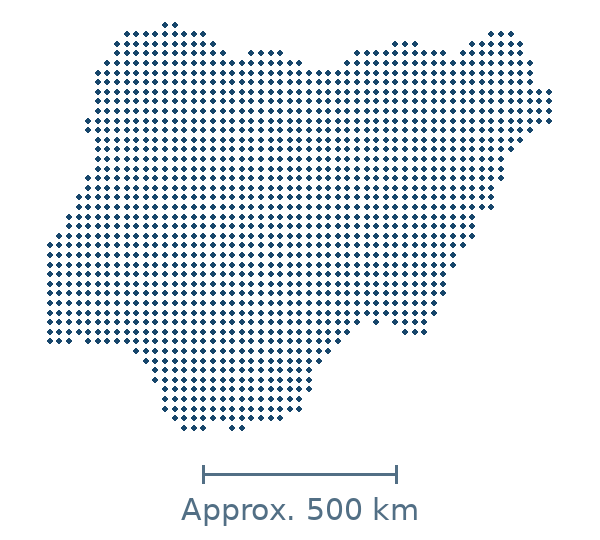
Nigerian participants have taken part in ICEJ gatherings in Israel. The organization’s account of its 2023 Feast of Tabernacles includes Nigerian pastor Enoch Adeboye among the speakers, providing an example of participation in an international Christian pro-Israel network. Source: ICEJ’s 2023 event account.
Nigeria also has an official Christian Pilgrim Commission, which documents pilgrimages to Israel and Jordan. Pilgrimage is a religious activity; participation should not automatically be interpreted as adopting Zionism or endorsing Israeli government policies. Source: Nigerian Christian Pilgrim Commission.
Uganda: A Documented Christian Advocacy Presence
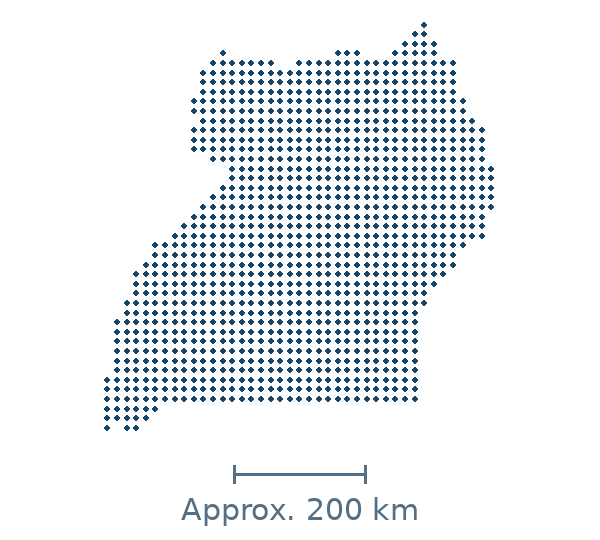
ICEJ reported appointing a representative in Uganda in its 2021 account of international expansion, and its branch directory also lists Uganda. This provides evidence of a particular Christian pro-Israel network, rather than evidence of a nationwide movement. It does not describe the political views of Uganda’s Jewish communities, other religious groups, or government. Sources: ICEJ international outreach report; branch directory.
Morocco: Historical Connections and Renewed Diplomatic Ties
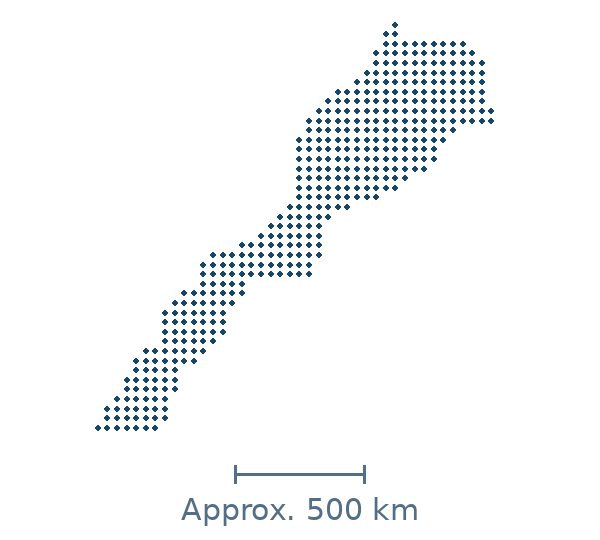
A joint declaration signed by Morocco, Israel, and the United States on December 22, 2020 set out renewed official contacts and cooperation between Morocco and Israel. The agreement also refers to the relationship between Morocco and its Jewish community and the continuing connections of Jews of Moroccan origin. These historical and diplomatic ties are relevant context, but do not establish that the Moroccan public collectively identifies with Zionism. Source: text of the joint declaration, hosted by UN Peacemaker.
Egypt: Peace with Israel as a Diplomatic Category
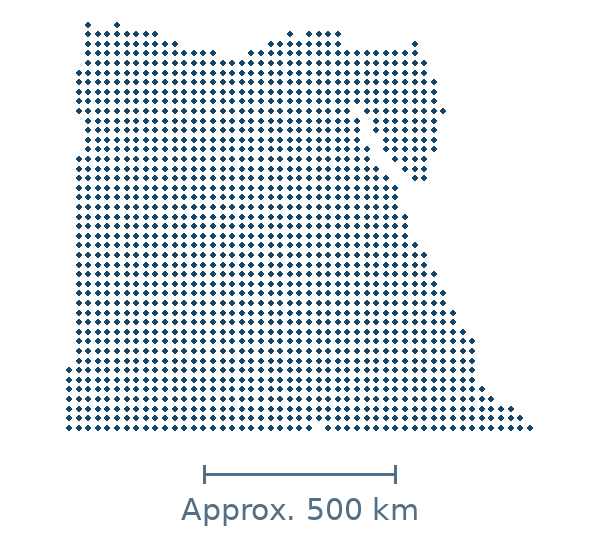
Egypt and Israel signed a peace treaty on March 26, 1979. The agreement established a framework for peace, Israeli withdrawal from Sinai, and normal relations between the two states. It belongs in a regional account of relations with Israel, while remaining distinct from grassroots Zionist organizing or a statement of Egyptian public opinion. Source: text of the 1979 Egypt–Israel peace treaty, hosted by the United Nations.
Europe
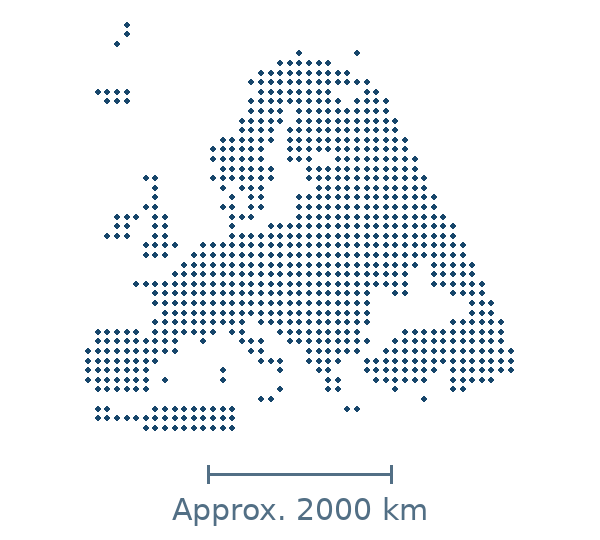
Europe was a major setting for the development of modern political Zionism, its institutions, and competing Jewish political traditions. The selected examples below connect that history with contemporary community organizations, migration services, and Christian advocacy. Historical activity and present-day institutions should be distinguished from government policy and from the views of an entire national population. The regional map shows a cropped view of Europe and nearby coasts; country maps show their European territory.
Austria: Vienna and Theodor Herzl
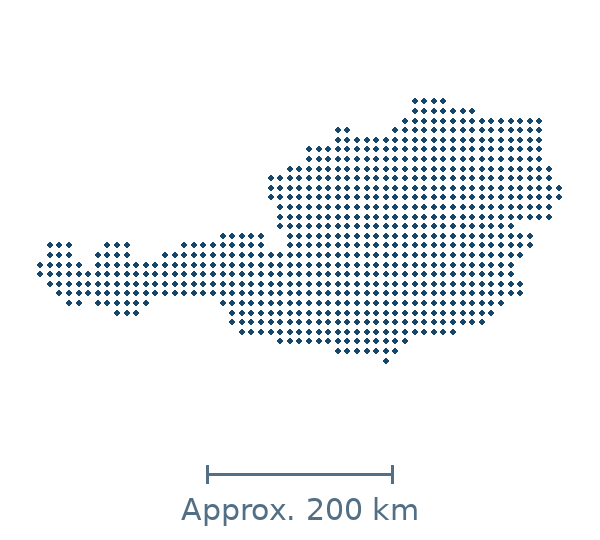
Vienna was an important center of Zionist thought and organizing. Theodor Herzl moved there from Budapest in 1878, and his 1896 book Der Judenstaat helped give modern political Zionism a public platform. His connection to Vienna places the city within the movement’s early intellectual history, rather than implying that Austrians collectively supported his program. Sources: City of Vienna’s Jewish history overview; United States Holocaust Memorial Museum.
Switzerland: Basel and the First Zionist Congress
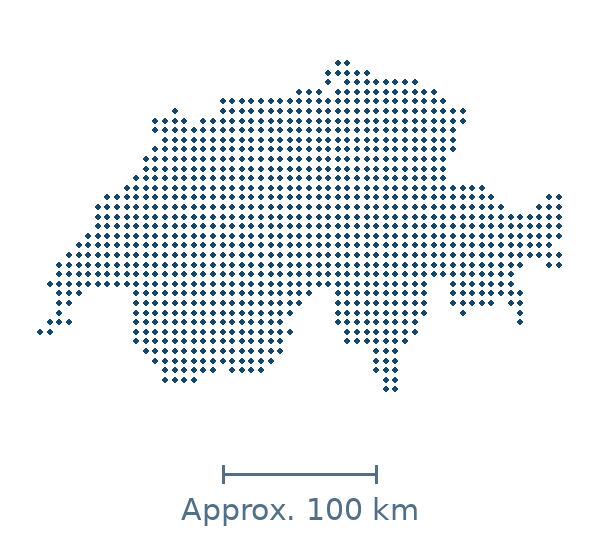
Basel hosted the First Zionist Congress in August 1897. The gathering created an organizational platform for the movement and adopted a program seeking a publicly secured Jewish home in Palestine. Basel continued to host later congresses, giving Switzerland a significant place in Zionist institutional history. Hosting these meetings is distinct from a national endorsement of Zionism. Source: Swiss National Museum.
United Kingdom: An Organized Zionist Federation
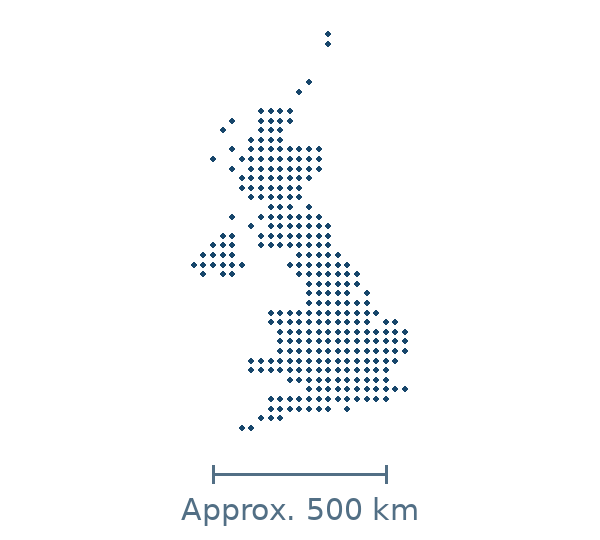
Established in 1899, the Zionist Federation UK describes itself as an umbrella body for Zionist organizations. Its stated work includes cooperation among members, public resources, and strengthening British Jewish connections with Israel. The federation’s own description provides evidence of an organized movement, while its membership and positions should not be treated as representing every British Jew. Source: Zionist Federation UK.
France: Community Institutions and Aliyah
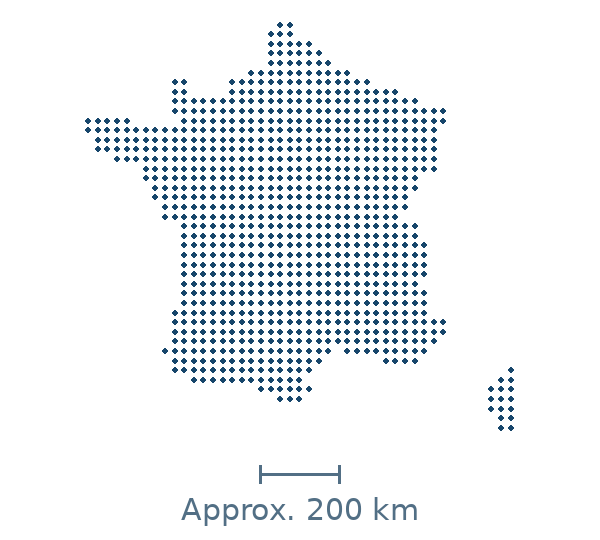
The World Zionist Organization lists a French Zionist federation among its national partners. The Jewish Agency also maintains a French-language service for people considering aliyah, offering information meetings and assistance through the immigration process. Together, these document institutional links between Jewish life in France and Israel. A decision to migrate can involve family, religious, security, economic, and personal considerations; the existence of a service does not establish any one motivation for all participants. Sources: WZO federation directory; Jewish Agency’s France guidance.
Germany: Youth Training, Emigration, and Continuing Organizations
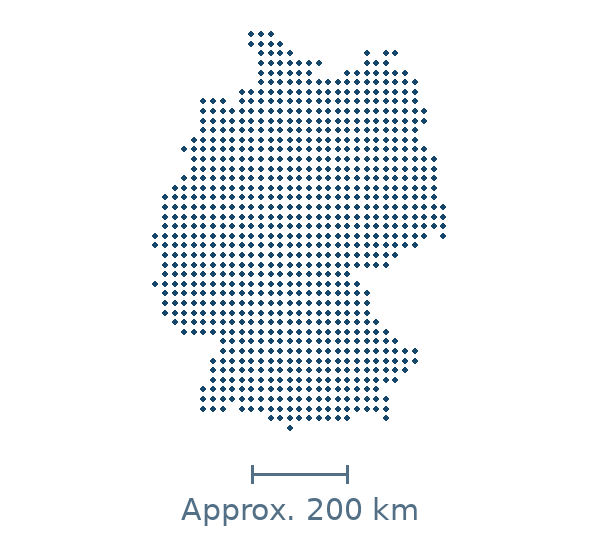
The United States Holocaust Memorial Museum documents Zionist agricultural training camps in Germany that prepared young Jews for migration to Mandatory Palestine. Under Nazi persecution, these activities formed part of the difficult history of Jewish efforts to leave Germany. They should be understood in the context of escalating exclusion and violence, rather than as migration under ordinary conditions. Source: United States Holocaust Memorial Museum.
Contemporary institutional connections include WIZO Germany, listed by the Women’s International Zionist Organisation among its national federations. This is evidence of a continuing organization, not a statement about the political identity of Germany’s entire Jewish community. Source: WIZO’s German federation listing.
Poland: Youth Movements and Jewish Resistance
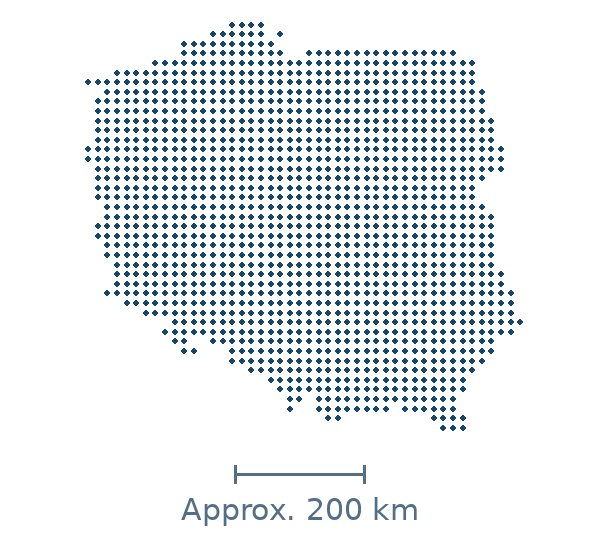
Before World War II, Zionist youth movements were part of Poland’s diverse Jewish political landscape, alongside groups such as the socialist Bund and Orthodox Agudath Israel. During the Holocaust, members of Zionist youth movements helped sustain underground education, communication, and resistance. The United States Holocaust Memorial Museum documents their leadership in ghetto and partisan organizations, including figures connected to the Warsaw ghetto uprising. This history concerns Jewish movements in Poland and should not be confused with a uniform Polish state or public position. Source: United States Holocaust Memorial Museum.
The Netherlands: Christian Support for Israel
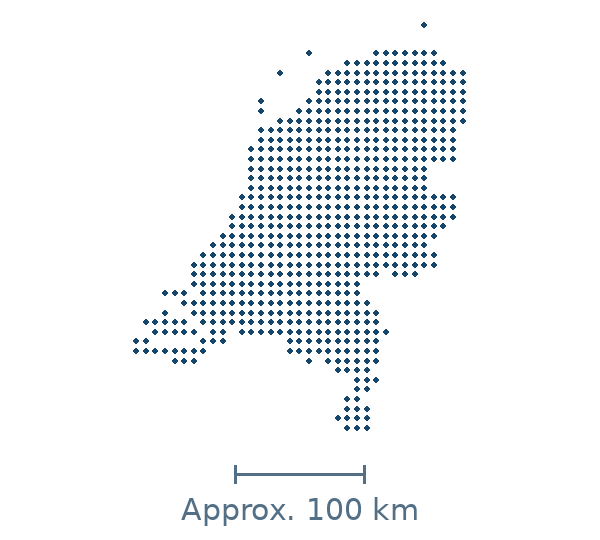
Christians for Israel was established in the Netherlands in 1979. The organization grounds its support for Israel and the Jewish people in its interpretation of biblical covenants and describes its work in terms of prayer, education, and practical assistance. It is a documented example of Christian pro-Israel organizing with Dutch roots; its theology and positions do not represent all Dutch Christians. Source: Christians for Israel’s account of its origins and mission.
Sweden: Women’s Zionist and Community Networks
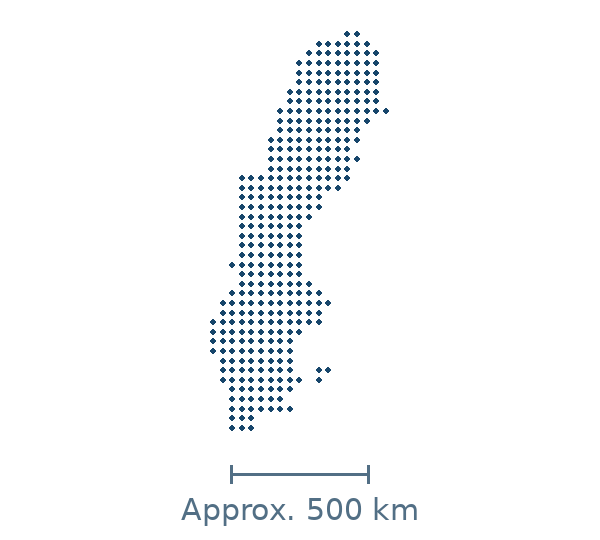
The Swedish umbrella organization Sveriges Kvinnoorganisationer includes WIZO among its members. It describes WIZO as a nationwide Jewish women’s organization working on equality, care, education, cultural activities, and Jewish identity. This illustrates a Zionist women’s organization participating in Swedish civil society, with community and social work alongside its international identity. It does not establish a shared political position among Swedish women or Swedish Jews. Source: Sveriges Kvinnoorganisationer’s member profile.
Australia
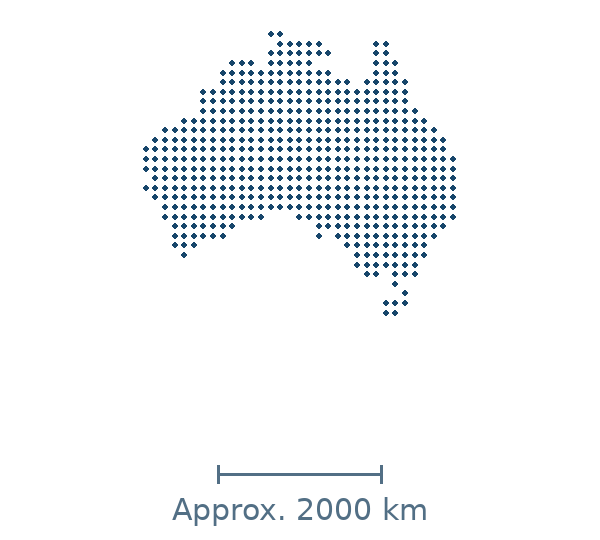
Australia has longstanding Jewish Zionist institutions, youth movements, and Christian pro-Israel networks. These organizations have different histories and religious or political outlooks. Their activities should be distinguished from Australian government policy and from the views of all Australian Jews or Christians.
A National Zionist Federation
The Zionist Federation of Australia traces its foundation to a national conference held in Melbourne in September 1927. Its history identifies Rabbi Israel Brodie and General Sir John Monash among its founding leaders. The federation now describes itself as the national umbrella body for Zionist organizations and the Australian representative of the World Zionist Organization and Jewish Agency. Sources: ZFA history; ZFA’s description of its representative role.
Youth Movements and Jewish Education
The Australasian Zionist Youth Council supports youth movements operating in Australia and New Zealand. Its member movements include Bnei Akiva, Habonim Dror, Hashomer Hatzair, Betar, and Netzer, reflecting different traditions within Zionist education. The council describes its role as helping youth leaders collaborate, build community involvement, and strengthen Jewish identity and connections with Israel. Source: Australasian Zionist Youth Council.
Connections with Israel and Aliyah
The ZFA’s historical account documents support for aliyah from Australia, including the arrival of an Israeli immigration emissary in Melbourne in 1969 and subsequent representation in Sydney. It also describes educational exchanges with Israeli teachers and seminars in Jewish schools. These illustrate institutional connections between Australian Jewish life and Israel, alongside the continuing life of Jewish communities in Australia. Source: ZFA history of immigration and education programs.
Christian Support for Israel
Christians for Israel Australia offers an example of support rooted in Christian theology. It presents its mission through biblical education, prayer, and practical assistance for Israel, with training and media among its activities. This is the organization’s own account of its religious commitments, rather than evidence that Australian Christians share a single view of Zionism or Israeli policies. Source: Christians for Israel Australia.
New Zealand
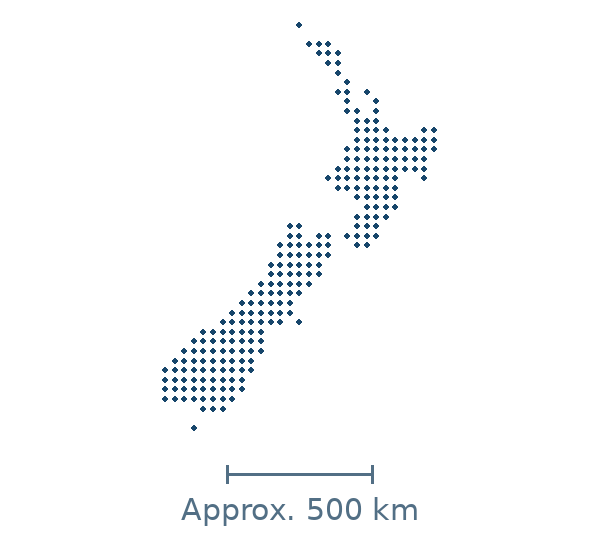
Jewish Community Organizing and Youth Movements
Te Ara, New Zealand’s national encyclopedia, describes Zionism as an important influence in the development of the country’s Jewish community. Its account includes fundraising for Israel, Jewish National Fund activities, and youth movements such as Habonim and Bnei Akiva. The Zionist Federation of New Zealand also describes an organizational history predating Israel’s establishment in 1948. Sources: Stephen Levine, Te Ara; Zionist Federation of New Zealand.
Te Ara also notes differences within Jewish communities over Israel and the Israeli–Palestinian conflict. Local Zionist organizations, Jewish critics of Zionism, and government foreign policy are separate voices; none alone represents every New Zealand Jew. Source: Te Ara’s discussion of community perspectives.
Christian Support for Israel
Christians for Israel New Zealand presents its work through biblical teaching, prayer, and practical support for Israel. In a report on its 2025 solidarity mission, participants describe volunteering and offering encouragement in Israel. These are examples of one network’s religious commitments and activities, rather than a measure of opinion among New Zealand Christians generally. Sources: Christians for Israel New Zealand; its 2025 mission account.
Papua New Guinea
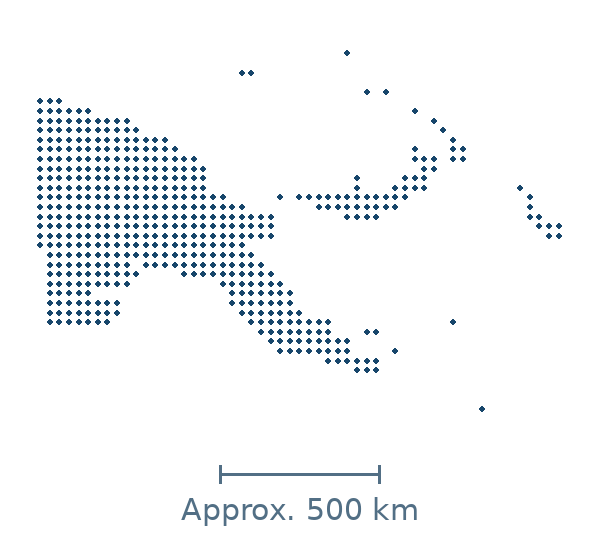
Christian Advocacy and Community Networks
Papua New Guinea has documented Christian pro-Israel organizing. ICEJ’s account of its branch activities describes a gathering in Port Moresby that brought church leaders together in support of Israel. This is the organization’s own report of a particular network, not a survey of public opinion or a description of every denomination. Source: ICEJ’s Papua New Guinea activity report.
The Jerusalem Embassy and Government Relations
Papua New Guinea opened an embassy in Jerusalem on September 5, 2023. In the government’s announcement, Prime Minister James Marape linked the decision to his Christian worldview and to opportunities for economic and technical cooperation with Israel. This is a stated rationale for a diplomatic decision; it should not be treated as a single motivation shared by all Papua New Guineans. Source: Papua New Guinea Department of Prime Minister and National Executive Council.
Reuters reporting also places the embassy decision in the context of advocacy by pro-Israel churches and the government’s investment goals, while noting the sensitivity of Jerusalem’s status in the Israeli–Palestinian conflict. Religious advocacy and state diplomacy overlap in this example, but remain distinct subjects. Source: Reuters, republished by The Jerusalem Post, September 2023.
The Middle East
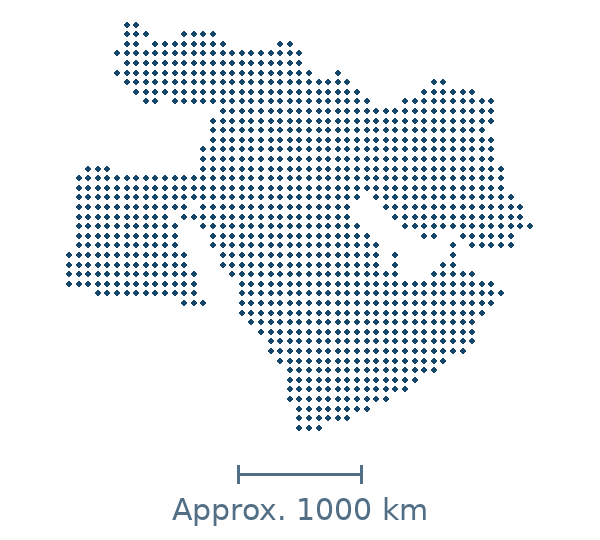
The Middle East is central to Zionism’s history and to the competing national aspirations shaped by Israel’s establishment. It also contains longstanding Jewish community histories, differing attitudes toward Zionism, and several distinct diplomatic relationships with Israel. The selected examples below separate community organizing, personal advocacy, and state policy. Maps are geographic illustrations and do not determine the legal status of disputed territories.
Israel: Statehood and Zionist Institutions
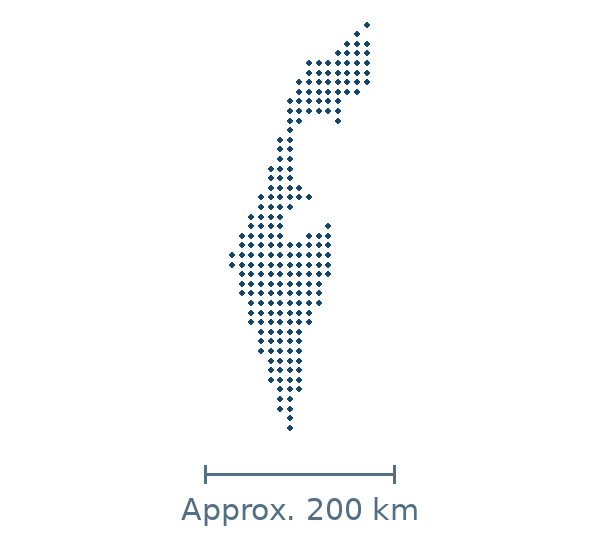
Israel’s establishment on May 14, 1948 fulfilled the central state-building objective of modern political Zionism. The declaration proclaimed a Jewish state, invited Jewish immigration, and set out commitments to equality and freedom of religion. The World Zionist Organization describes its continuing work in Jewish and Hebrew education, aliyah, advocacy, and connections between Israel and Diaspora communities. These institutional aims do not amount to a single position on every Israeli policy. Sources: declaration of independence, hosted by UNHCR Refworld; WZO’s description of its work.
Palestinian Experiences and National Aspirations
The same period is remembered by Palestinians through the Nakba: mass displacement and dispossession during the 1948 war. United Nations accounts describe the uprooting of approximately 750,000 Palestinians. Understanding Zionism’s regional history requires examining Jewish self-determination alongside Palestinian displacement, refugee experiences, and aspirations to national self-determination. Sources: UN overview of the Nakba; UN commemoration report.
Iraq: Historical Jewish Zionist Activity
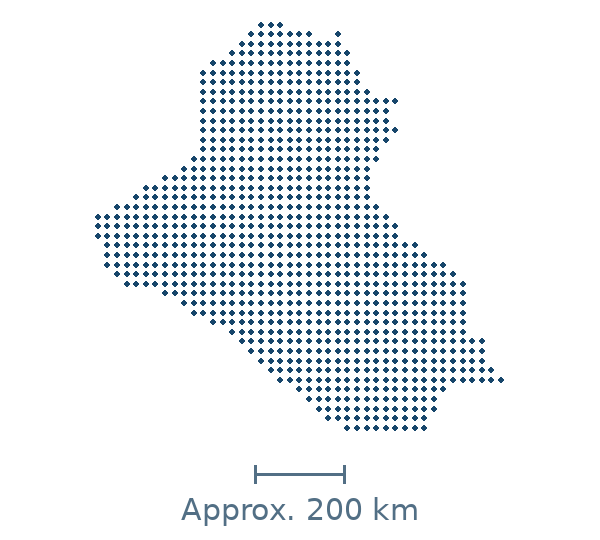
Historian Esther Meir-Glitzenstein’s Zionism in an Arab Country: Jews in Iraq in the 1940s examines the relationship between Iraqi Jewish communities and the Zionist movement, including the organizations involved before mass migration to Israel. Her work places Zionist activity within wider political, social, economic, and cultural changes. This history should not be presented as the attitude of Iraq’s wider population or as evidence that every Iraqi Jewish migrant held the same beliefs. Source: Routledge’s description of Meir-Glitzenstein’s study.
Yemen: Religious Attachments and Organized Migration
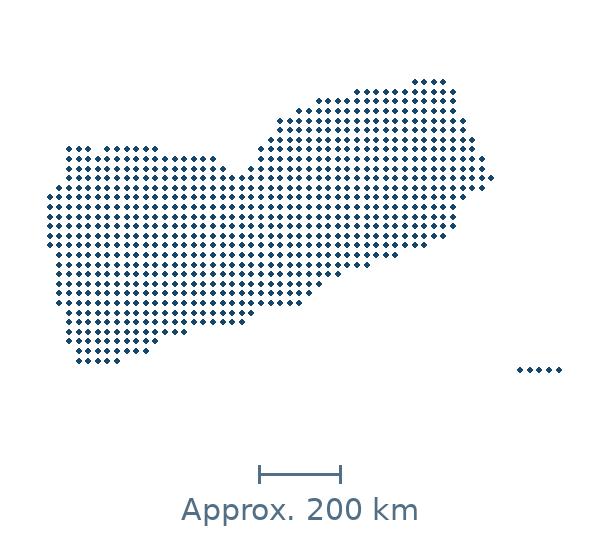
Yemenite Jews migrated to Ottoman Palestine before the establishment of Herzl’s political organization, including a group arriving in 1881. Later, Shmuel Yavnieli’s 1911–1912 mission connected Yemenite migration with Zionist settlement efforts. These episodes show that longstanding religious attachments and modern organizational initiatives could intersect, without making every migration part of an identical political program. Sources: National Library of Israel on the 1881 migration; its overview of the Second Aliyah.
Iran: Diverse Jewish Responses to Zionism
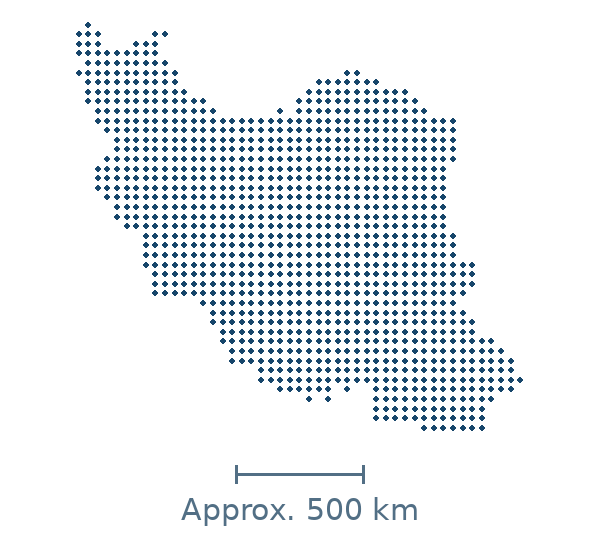
In Between Iran and Zion, historian Lior B. Sternfeld examines Iranian Jewish participation in Iranian society alongside changing responses to Zionism during the twentieth century. The study distinguishes religious and political forms of Zionist identification and emphasizes the complexity of Iranian Jewish belonging. It offers a more careful framework than assuming that Jewish identity, migration to Israel, and support for a particular government are interchangeable. Source: Stanford University Press’s description of Sternfeld’s research.
Jordan: Peace Treaty and Palestinian Statehood
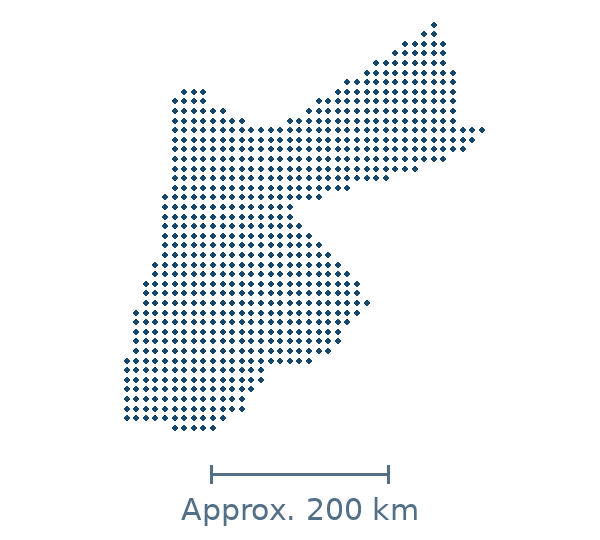
Jordan and Israel signed a peace treaty on October 26, 1994. Jordan’s foreign ministry also identifies Palestinian self-determination and an independent Palestinian state as central policy goals. The treaty is therefore an example of state-to-state peace, rather than proof of a Jordanian Zionist movement or a uniform public position on Zionism. Sources: text of the Israel–Jordan peace treaty; Jordanian foreign ministry on the Palestinian question.
United Arab Emirates: Diplomatic Normalization
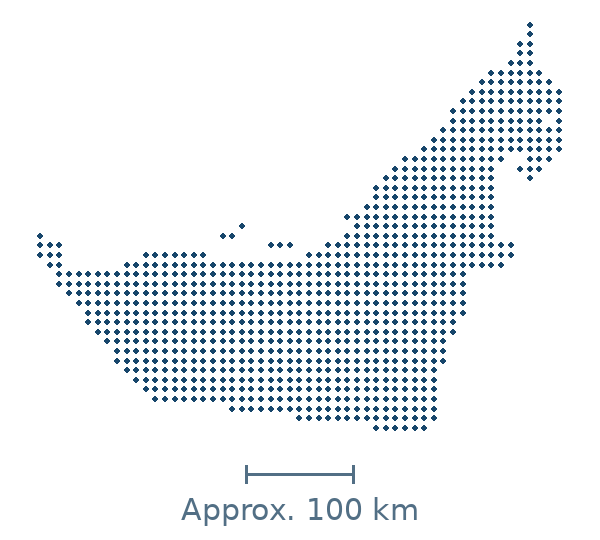
The UAE signed a normalization agreement with Israel in September 2020 as part of the Abraham Accords. This created a framework for official relations and cooperation. Diplomatic recognition should be described as a government decision, not automatically as personal identification with Zionism among Emiratis or proof of agreement with every Israeli policy. Source: U.S. State Department’s archived agreement collection.
Bahrain: The Abraham Accords
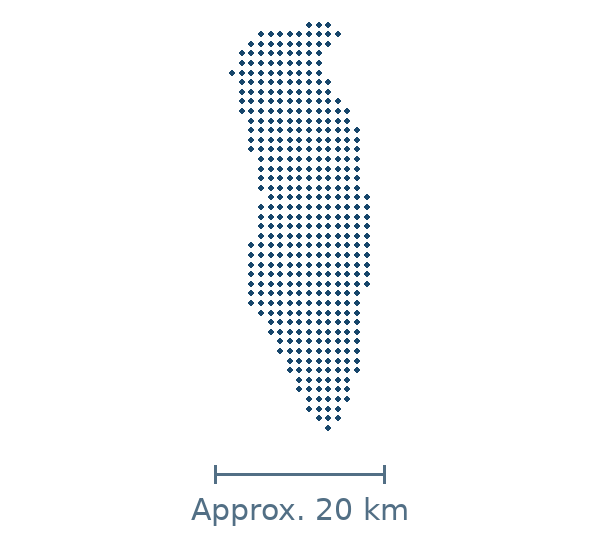
Bahrain’s September 15, 2020 declaration with Israel affirmed a move toward peaceful diplomatic relations and cooperation. The text also refers to pursuing a just and lasting resolution of the Israeli–Palestinian conflict. It is evidence of a particular diplomatic agreement; it does not establish that Bahrain’s population shares one political ideology. Source: signed Bahrain–Israel declaration.
Saudi Arabia: Individual Advocacy
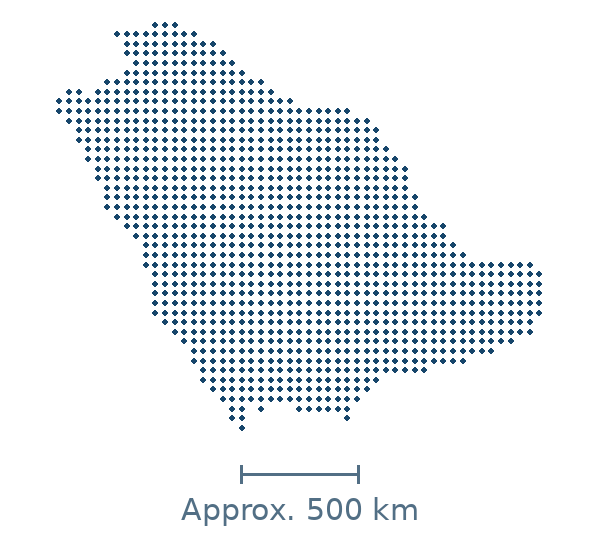
Saudi blogger Mohammed Saud provides a documented example of personal advocacy for closer ties with Israel. JTA reported in 2019 that he visited Israel at the invitation of its foreign ministry and publicly called for diplomatic relations and peace. His position is best attributed to him individually; it does not establish the views of Saudi society or an organized national Zionist movement. Source: JTA, July 2019.
Egypt’s 1979 peace treaty with Israel is covered in the Egypt section under Africa. Including it there reflects Egypt’s geography while recognizing its central role in Middle Eastern diplomacy.
North America
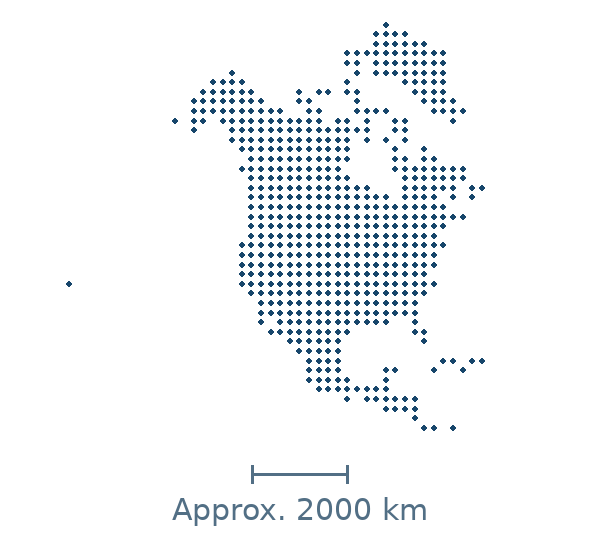
North America includes longstanding Jewish Zionist organizations, women’s and youth movements, philanthropic connections with Israel, and Christian advocacy. These activities reflect different religious and political traditions. Organizational membership, Jewish identity, and support for a particular Israeli government are distinct matters, and no single association represents every member of a national or religious community.
United States: Jewish Zionist Organizations
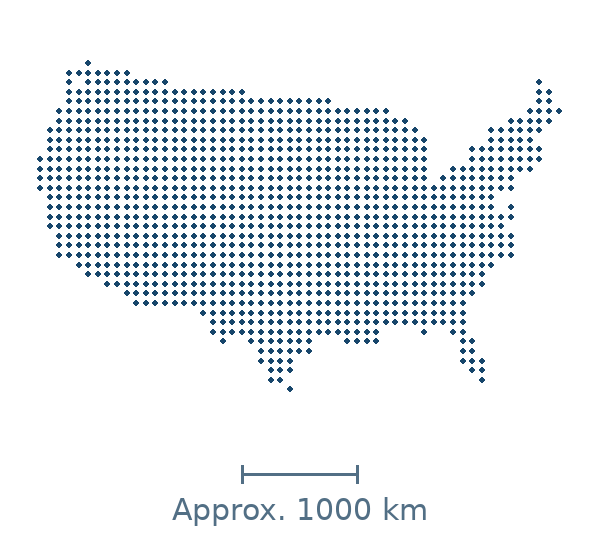
The American Zionist Movement (AZM) brings together national Zionist organizations across different religious and political traditions. It represents participating American Zionists within the World Zionist Organization and organizes U.S. elections for delegates to the World Zionist Congress. AZM also sponsors a youth council connecting organizations with varied cultural and ideological backgrounds. These arrangements illustrate diversity within organized American Zionism rather than a single political platform. Source: American Zionist Movement.
Women’s Organizing and Health Care
Henrietta Szold founded Hadassah, the Women’s Zionist Organization of America, in 1912. Its early emphasis on nursing and public health developed into a lasting American connection with medical care in Jerusalem. Hadassah’s history offers an example of women shaping Zionist institutions through health services and community organizing. Sources: Hadassah’s organizational history; Hadassah Medical Center.
Christian Zionist Advocacy
Christians United for Israel (CUFI) traces its formation to a 2006 gathering of pastors and ministry leaders. It describes its purpose as bringing Christians together in support of Israel through education and advocacy. CUFI is a documented example of an organized Christian pro-Israel movement; its positions should not be generalized to all American Christians or all supporters of Israel. Source: CUFI’s mission and founding account.
The U.S. country illustration shows the contiguous states; Alaska and Hawaii are omitted from that detail map.
Canada: Zionist Federations and Community Connections
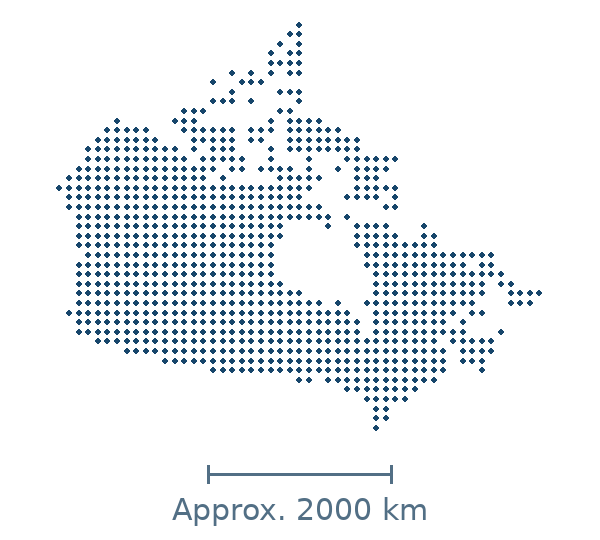
The Canadian Zionist Federation describes itself as an umbrella organization for Canadian Zionist groups. Its stated mission centers on Jewish self-determination in Israel and educational connections between Canadian Jews and Israel. Its website also documents Canadian participation in elections for the World Zionist Congress, linking local organizations with international Zionist institutions. Source: Canadian Zionist Federation.
Jewish Federations of Canada–UIA describes a broader role supporting Canadian Jewish communities and their engagement with Israel and overseas communities through relationships and philanthropy. Such work overlaps with Israel-related community life while encompassing concerns beyond explicitly Zionist organizing. Source: Jewish Federations of Canada–UIA.
The Centre for Israel and Jewish Affairs (CIJA), the advocacy agent of Jewish Federations of Canada–UIA, works on public policy and Canada–Israel connections. Its activities are best described in its own institutional terms, rather than assumed to be identical to those of a Zionist federation. Sources: CIJA’s description of its role; CIJA on its relationship to Zionism.
Mexico: Geographic and Cultural Connections
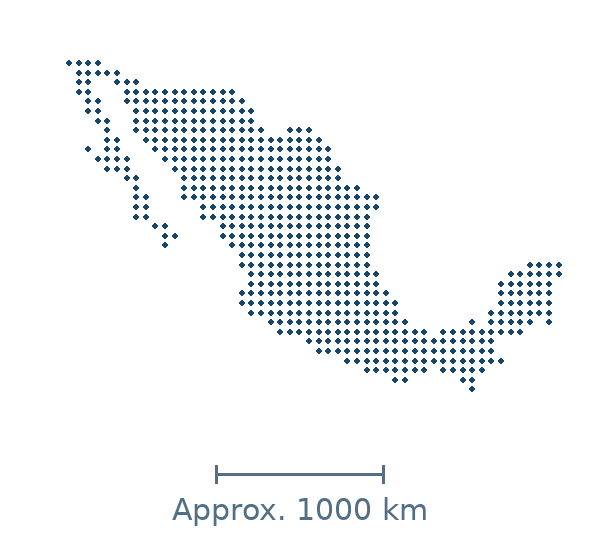
Mexico belongs geographically to North America and is also part of Latin America. Its discussion of WIZO México and women’s civic service appears in the Latin America section, where the organization’s activities and source are presented together.
Understanding the Differences
Support for a Jewish national home, Christian Zionist theology, diplomatic cooperation with Israel, and humanitarian assistance to Jews are related but distinct subjects. A government’s trade or diplomatic ties alone do not establish a Zionist ideology. These examples also do not imply agreement with every Israeli policy or affiliation with Bluetiful5708.
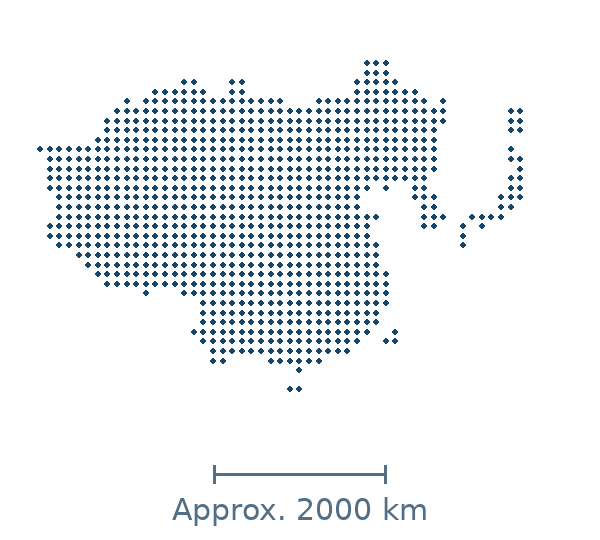
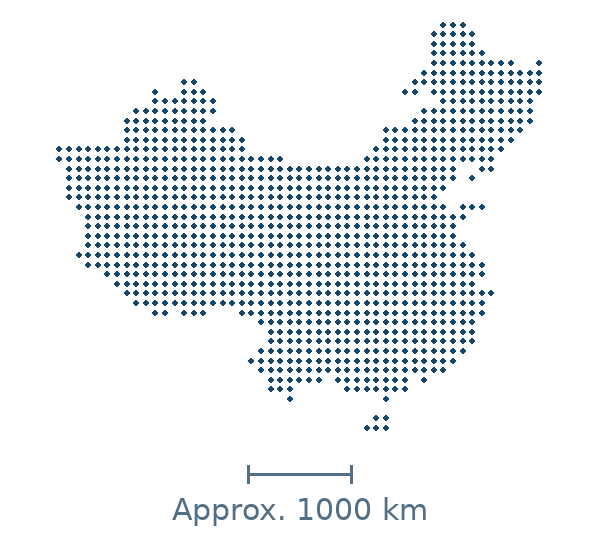
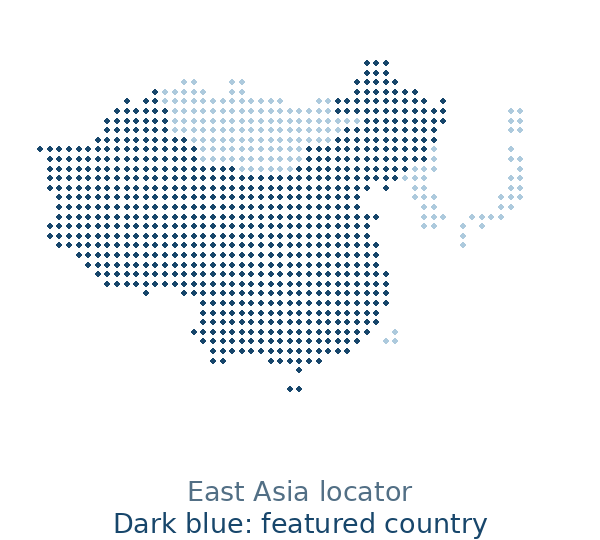
Dotted maps use Natural Earth geographic data. Country maps and regional overviews provide geographic context. Where regional locators are shown, they accompany the country maps. Dark blue dots mark the featured country or countries; light blue dots show neighboring countries. Singapore uses a location marker. Maps are scaled independently; bars indicate approximate distances.

